Grazalema vs Alpujarras: Which Self-Guided Walk Is Right for You?
The Sierra de Grazalema and the Alpujarras are two of the most beautiful places to walk in southern Spain, and they are very different. One is a green limestone sierra of white villages, Spanish fir forests and soaring vultures, ending in the dramatic town of Ronda. The other is a world of terraced valleys, Berber-style villages and the highest mountains in mainland Spain. As local guides who walk both regions, here is our honest comparison to help you choose your self-guided walk.
Grazalema vs Alpujarras at a glance
| Sierra de Grazalema & Ronda | The Alpujarras & Sierra Nevada | |
|---|---|---|
| Province | Cádiz and Málaga | Granada |
| Landscape | Green limestone peaks, oak and Spanish fir forests, gorges | Terraced valleys on the slopes of the Sierra Nevada, chestnut and poplar groves |
| Villages | Classic Andalusian white villages (pueblos blancos) | Flat-roofed Berber-style villages clinging to the mountainside |
| Highlight | Arriving on foot in Ronda and its Tajo gorge | Views of the Sierra Nevada and the Poqueira gorge |
| Our trip | 5–8 days, easy to moderate | 8 days, moderate |
| Best for | First self-guided walk, culture lovers, gentler walking | Mountain lovers, keen walkers, remote villages |
| Best season | Mid-September to June | Spring and autumn |
| Nearest airports | Málaga, Seville, Jerez | Granada, Málaga |
The Sierra de Grazalema: white villages and green mountains
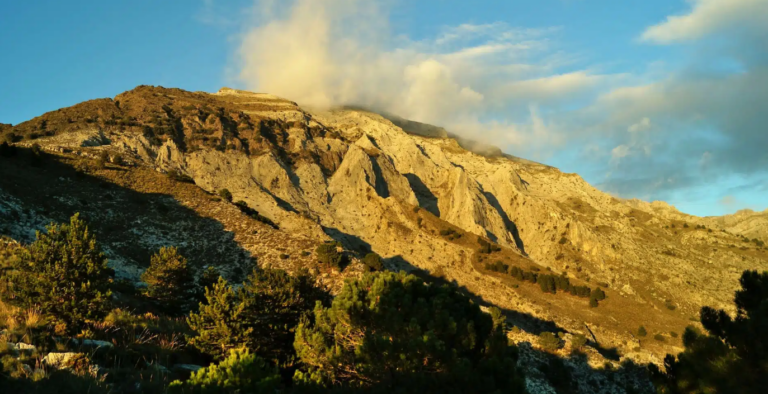
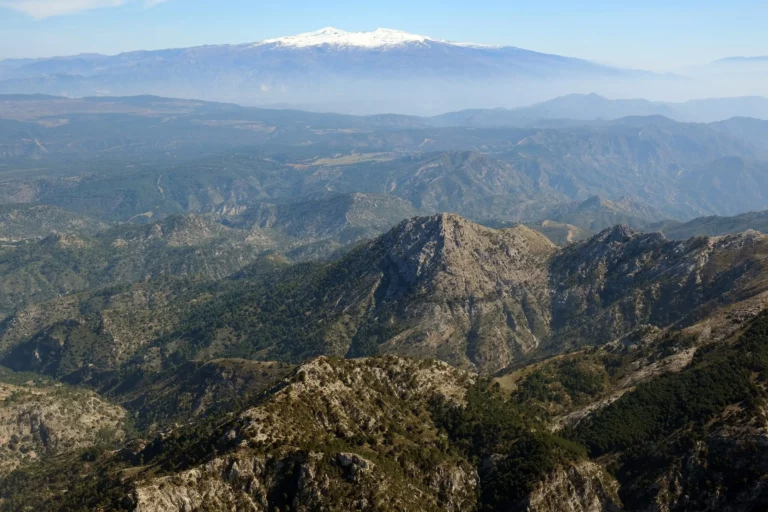
The Sierra de Grazalema Natural Park, on the border between Cádiz and Málaga, was Spain’s first UNESCO Biosphere Reserve. Its limestone peaks catch the clouds coming in from the Atlantic, which makes it one of the wettest places in Spain and one of the greenest in Andalusia. The result is a surprising landscape of holm oaks, cork oaks and rare Spanish fir (pinsapo) forests, with griffon vultures circling above the cliffs.
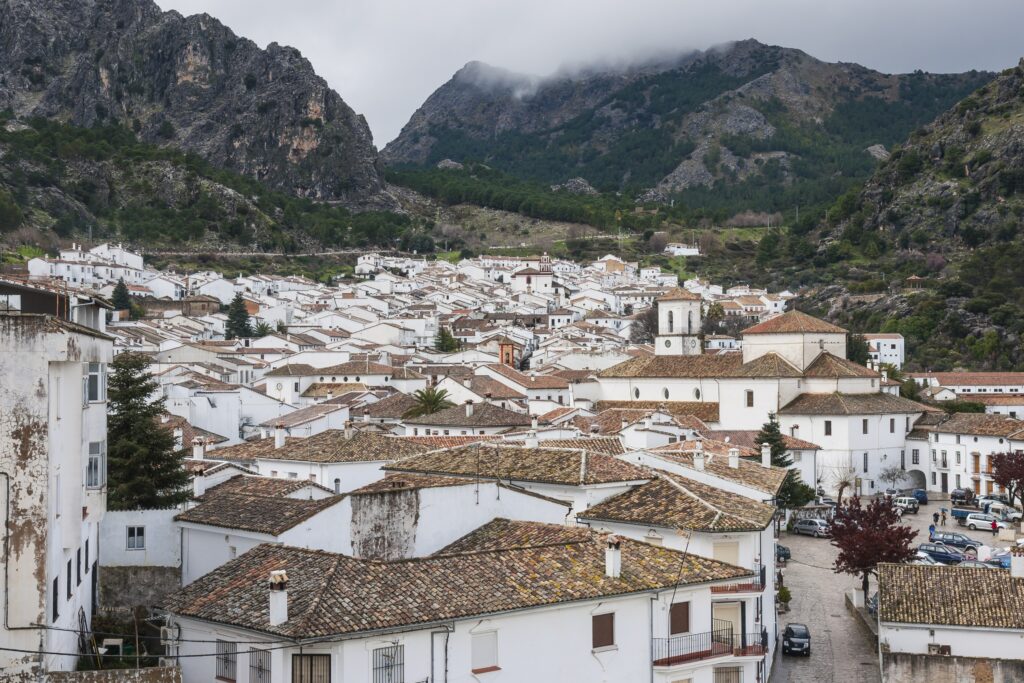
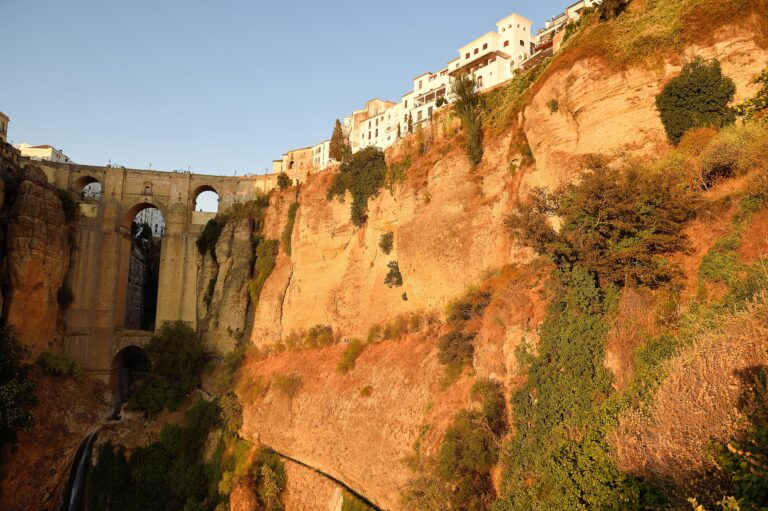
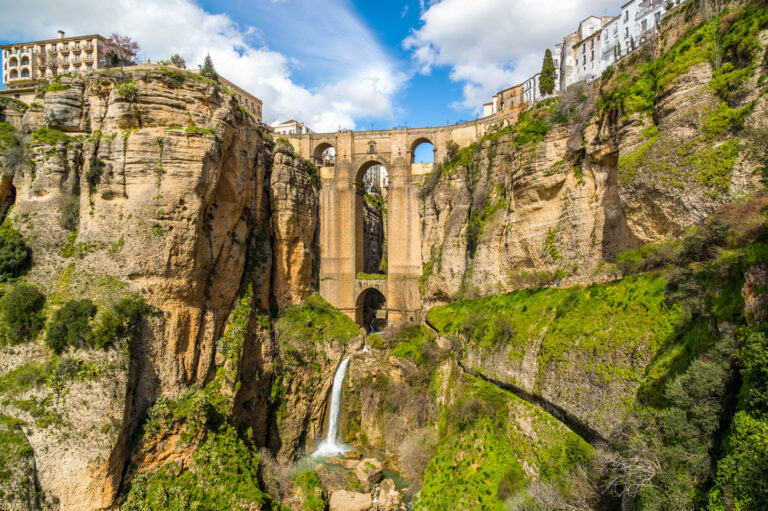
Walking here means moving between classic white villages such as Grazalema, Benamahoma, Benaocaz, Villaluenga del Rosario and Benaoján, before arriving on foot in Ronda, perched above its famous gorge. Paths are mostly well-marked old trails and drove roads, with moderate climbs and long stretches of easy walking.
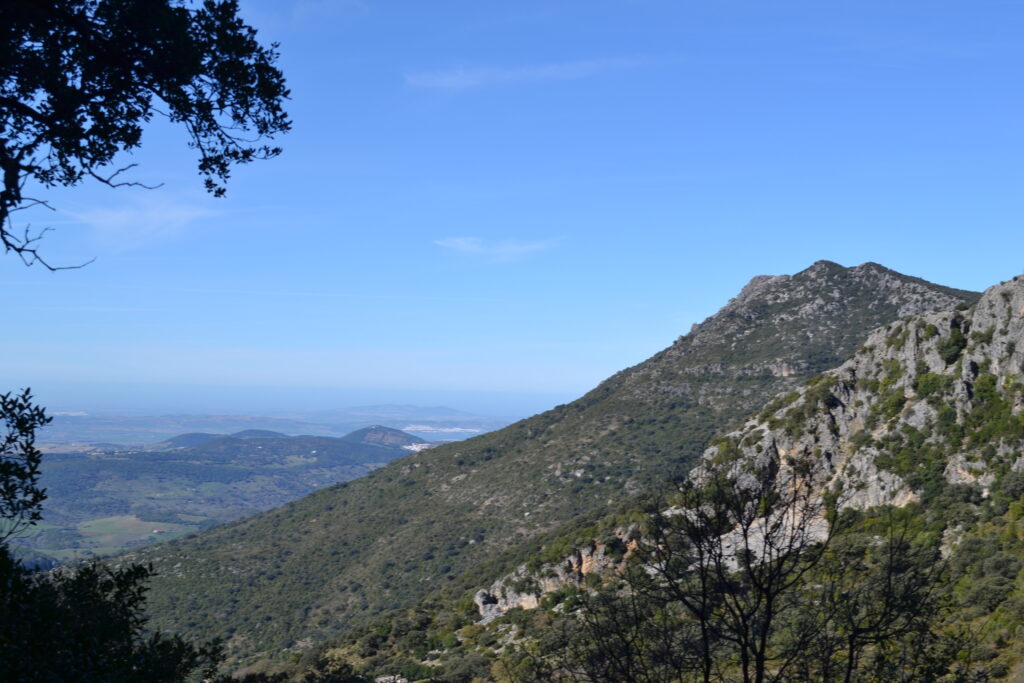
Choose Grazalema if: it is your first self-guided walking holiday, you want comfortable rural hotels and boutique B&Bs, good food and plenty of culture along the way, and you prefer moderate daily stages. Our Sierra de Grazalema & Ronda self-guided walk can be done in 5 to 8 days.
The Alpujarras: high villages beneath the Sierra Nevada
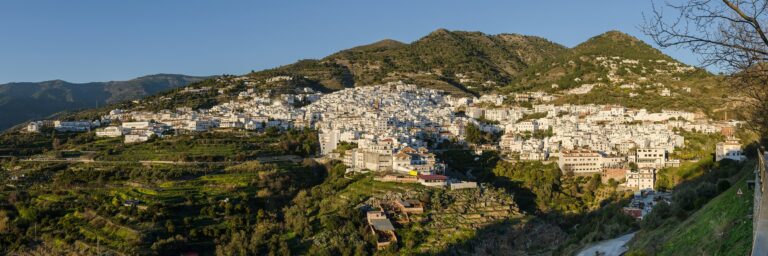
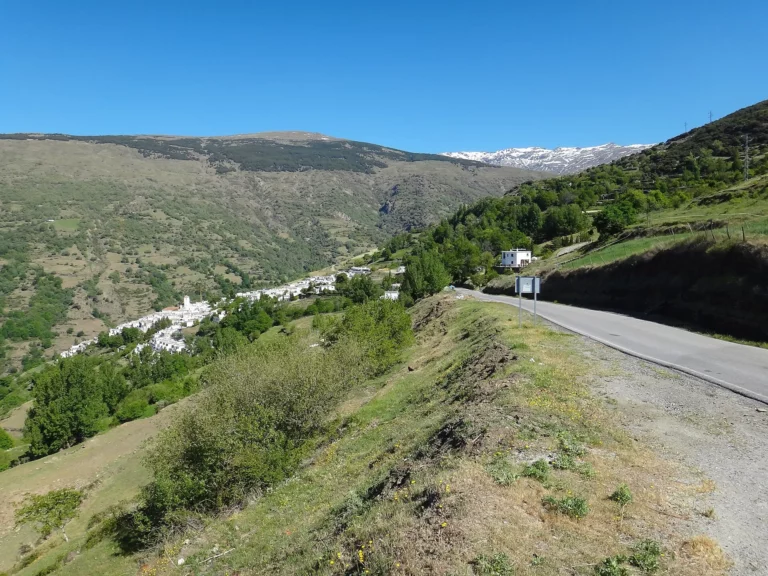
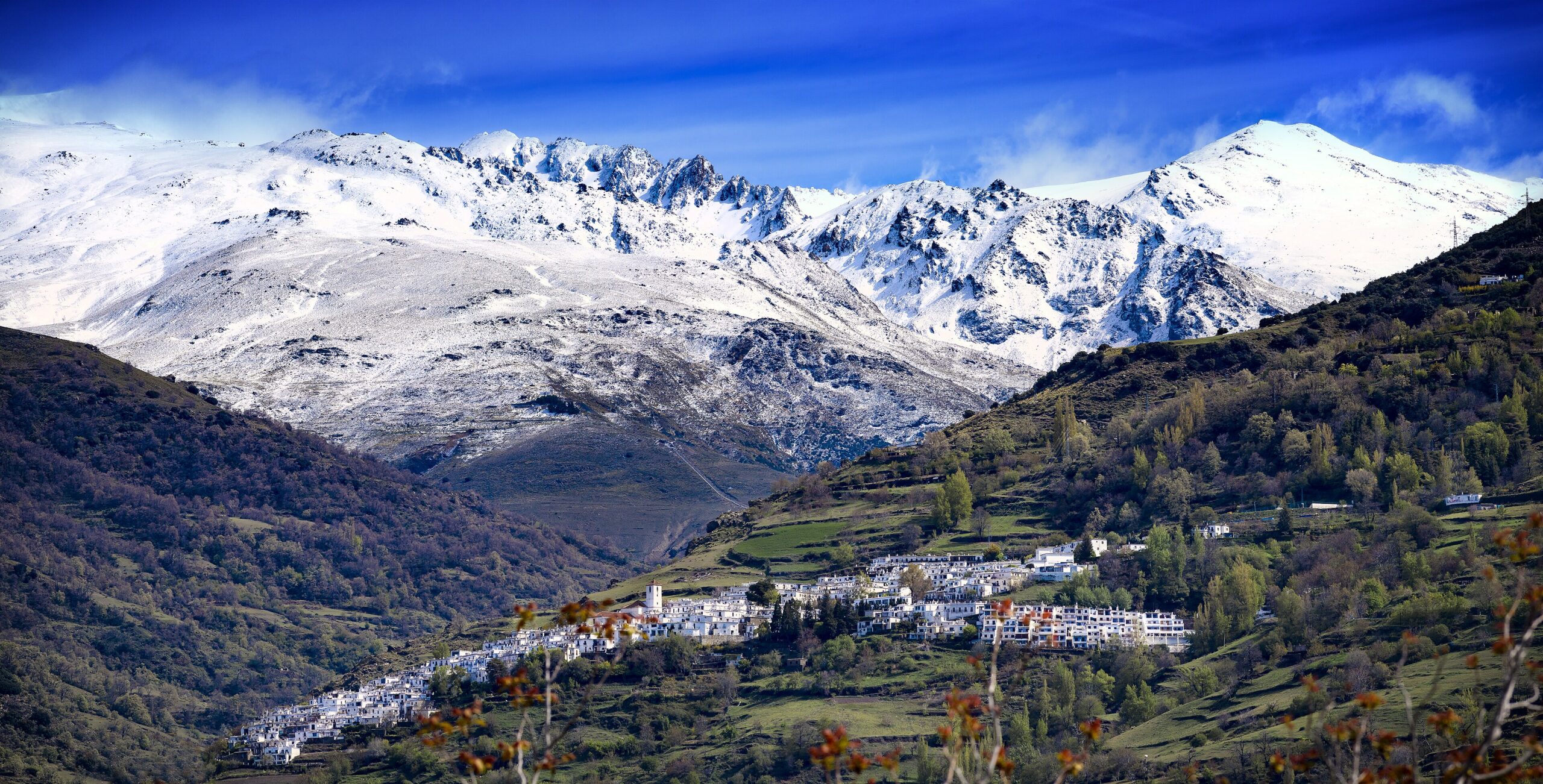
The Alpujarra lies on the southern slopes of the Sierra Nevada, home to Mulhacén (3,479 m), the highest peak in mainland Spain. This was one of the last refuges of the Moors in Spain, and its history is still visible everywhere: flat-roofed houses with round chimneys, covered passages called tinaos, and centuries-old irrigation channels (acequias) that still water the terraces.
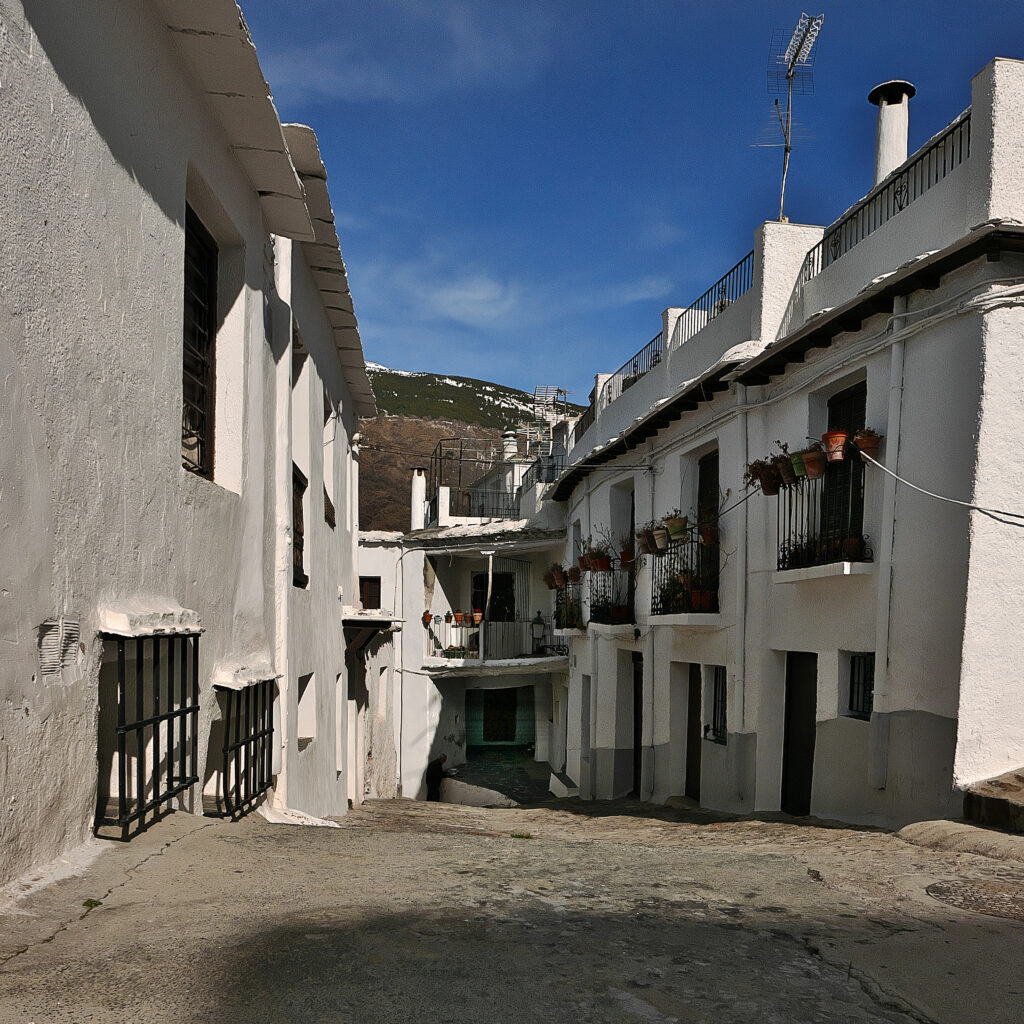
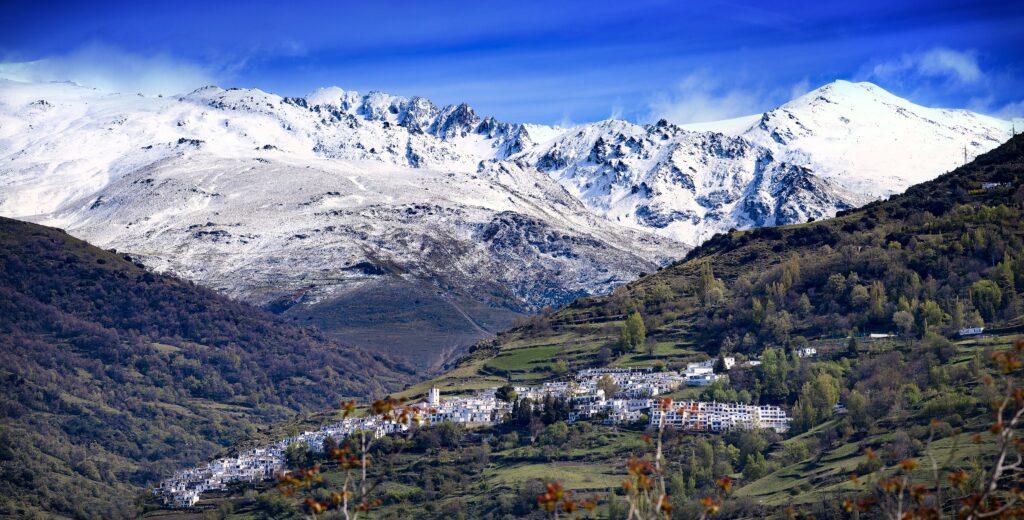
Walking routes link villages such as Pampaneira, Bubión and Capileira in the Poqueira gorge, and Trevélez, one of the highest villages in Spain and famous for its cured hams. The scenery is bigger and wilder than in Grazalema, with deep valleys, mountain streams and snow on the summits for much of the year. Days usually involve more climbing, at higher altitude.
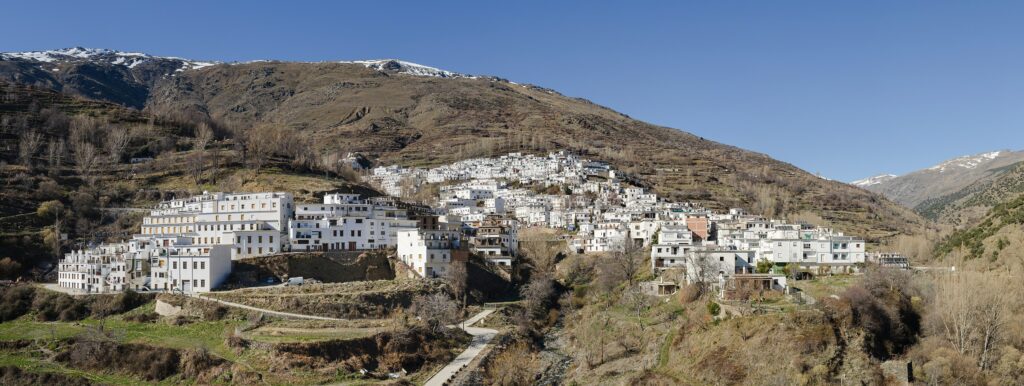
Choose the Alpujarras if: you love mountains, you are a regular walker comfortable with longer climbs, and you want to discover a more remote side of Andalusia. Our new Alpujarras & Sierra Nevada self-guided walk is an 8-day moderate journey through the best of the region.
Difficulty: which is harder?
In general, the Alpujarras are more demanding. Altitude, longer climbs and steeper paths make the walking more physical, although distances are similar. The Sierra de Grazalema offers easy to moderate walking, with some longer days that can be shortened. Both are suitable for regular walkers with good fitness, and neither requires technical mountain experience.
When to go
The Sierra de Grazalema is at its best from autumn to late spring, when the hills are green, and our trip runs from mid-September to June. Expect some rainy days in winter. The Alpujarras are best in spring and autumn. In high summer they are cooler than the rest of Andalusia, but the lower valleys can still be hot. In mid-winter, snow can reach the higher paths. See our month-by-month guide to the best time for a walking holiday in Andalusia for more detail.
Can I combine both?
Yes. With two weeks, many walkers combine the Sierra de Grazalema and Ronda with the Alpujarras and a visit to Granada and the Alhambra. We can tailor-make a self-guided itinerary that links both regions, including transfers between them.
Our verdict
If you are looking for your first self-guided walk in Spain, with white villages, culture and moderate walking, choose the Sierra de Grazalema and Ronda. If you want big mountain scenery, remote villages and a stronger physical challenge, choose the Alpujarras. Still not sure? Send us a message. We design and walk these routes ourselves, and we will be happy to help you choose.
Frequently asked questions
Which is better for walking, Grazalema or the Alpujarras?
Both are excellent. The Sierra de Grazalema is better for a first self-guided walk, with white villages, moderate stages and the finish in Ronda. The Alpujarras are better for keen walkers who want higher mountains and more remote villages.
Is walking in the Alpujarras difficult?
Walking in the Alpujarras is moderate. There are longer climbs and walking is at higher altitude than in most of Andalusia, but no technical mountain skills are needed. A good level of fitness is recommended.
How do I get to the Sierra de Grazalema and the Alpujarras?
The Sierra de Grazalema is easily reached from Málaga, Seville or Jerez airports. The Alpujarras are closest to Granada airport and are also easy to reach from Málaga.
Can I do both walks on one trip?
Yes. With around two weeks you can combine the Sierra de Grazalema and Ronda with the Alpujarras and Granada on a tailor-made self-guided itinerary.